
How to Troubleshoot a Leaking AC Condensate Line
Leaking AC condensate lines are a common summer issue that many homeowners encounter, especially in climates as warm and humid as San Antonio. If left unresolved, these leaks can cause water damage, increase the risk of mold growth, and compromise your air conditioner’s performance. Fortunately, with a bit of troubleshooting, you can often identify and address the source of the leak before it leads to significant complications or requires emergency AC repair services.
Recognizing the Signs of a Condensate Line Leak
Before starting any troubleshooting, it is essential to determine whether your AC’s condensate line is indeed the source of the leak. Typical signs include:
- Water pooling around the indoor air handler or furnace closet
- Musty odors, which may suggest mold or mildew
- Decreased cooling efficiency
- Unexpected spikes in humidity indoors
Spotting these issues early will help you avoid more serious property damage and ensure your AC unit continues to operate efficiently.
Understanding the Role of the Condensate Line
The condensate line’s job is to carry moisture, which is collected as your air conditioner cools the air, safely out of your home. When functioning properly, this line routes water from the evaporator coil to the exterior. However, local heat and humidity in San Antonio can accelerate algae growth and sediment buildup that blocks this line, making leaks more common during the peak cooling season.
Troubleshooting Steps to Handle a Leaking Condensate Line
Start by turning off your AC system to prevent further water from entering the line. After this safety step, follow these troubleshooting tips:
- Visually inspect the condensate pan for cracks. If it is damaged, it will need to be replaced.
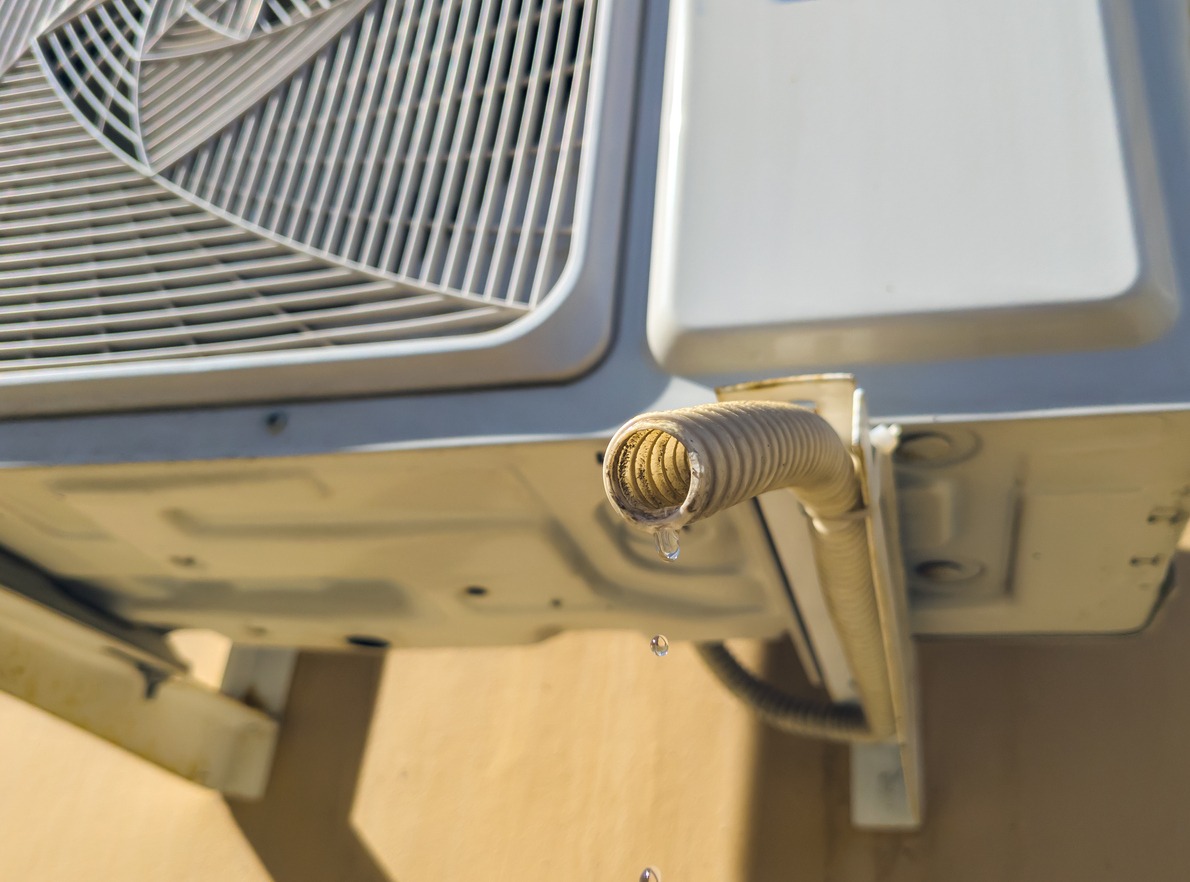
- Check the drain line for visible clogs. A clogged line is the most frequent cause of leaks. Look for standing water or debris at the pipe opening outside your home.
- Use a shop vacuum at the line’s outdoor end to suction out blockages if you have access to one. Alternatively, flushing the line with a blend of warm water and a small amount of vinegar can break up mild clogs.
- Examine the drain line connections around the air handler to verify they are secure and not dripping. Tighten or reseal as needed.
- If the float switch in your drain pan has shut the system down, reset it only after clearing the clog.
Sometimes home remedies clear minor issues, but if leaks persist or the system shuts down repeatedly, it is time to call for AC maintenance to avoid long-term damage and keep your cooling system in peak condition.
When to Contact a Professional
Although many clogs in the condensate line are straightforward to handle, ongoing problems signal possible deeper issues such as a broken pan, improperly pitched drain line, or microbial growth inside your system. Professional HVAC technicians have the tools to diagnose these problems and restore your AC to proper function. In San Antonio’s hot summers, quick action helps prevent further damage to your home’s structure or air quality.
Schedule Your AC Service with 1st Choice Heating and Air Conditioning
If you suspect a leaking AC condensate line in your San Antonio, TX home, trust the professionals at 1st Choice Heating and Air Conditioning to resolve the problem promptly. Our experienced team handles everything from thorough AC installation to advanced repairs and ongoing maintenance. Call us today at 210-225-3033 or fill out our online form to schedule your service and ensure your cooling system runs efficiently through every Texas season.