
Heat Pump vs Furnace for San Antonio Homes: Comfort, Efficiency, and Climate Fit
When choosing the ideal heating system for your San Antonio home, understanding the differences between heat pumps and furnaces can have a significant impact on your comfort, efficiency, and long-term costs. Mild Texas winters and hot, humid summers make the right heating and cooling system essential for year-round climate control. For homeowners and property managers, recognizing the warning signs of an aging system and discussing your home’s unique needs with local HVAC professionals ensures your next investment fits the local climate and your lifestyle.
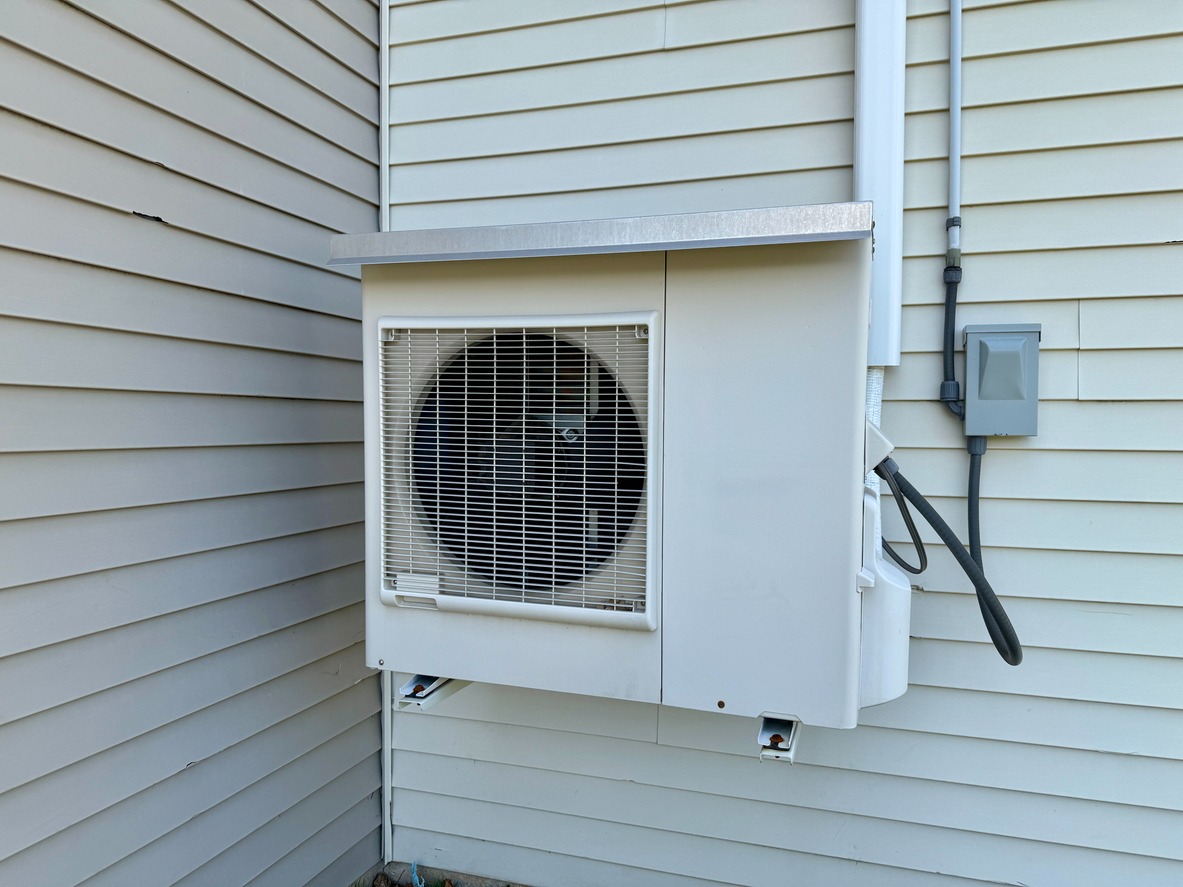
How a Heat Pump Works in San Antonio’s Climate
A heat pump transfers heat rather than generating it, making it an energy-efficient solution for San Antonio’s moderate winters. During cooler months, a heat pump pulls warmth from the outside air and moves it indoors. When summer returns, it reverses the process, removing heat from your home and acting as an air conditioner. This dual functionality can streamline both heating and cooling with one electric-based system. In mild climates like San Antonio, where the temperature rarely drops below freezing, heat pumps can operate efficiently almost all year.
Furnace Benefits and Drawbacks for San Antonio Homes
Furnaces, on the other hand, generate heat by burning natural gas or using electricity. They are traditionally found in regions that experience harsher, colder winters than San Antonio. However, some local homeowners still prefer furnaces for their rapid heating capabilities during unexpected cold fronts. While heating installation with a furnace can provide strong, reliable heat, it may not be as energy-efficient during the relatively mild local winter. Also, older gas or electric furnaces might lack the indoor air quality features available with newer systems.
Comfort Considerations: What San Antonio Homeowners Should Know
San Antonio’s climate is distinct; average winter lows rarely dip below 40°F, and extreme cold snaps are uncommon. This means a heat pump is usually sufficient to keep your home warm while minimizing energy costs. Heat pumps tend to maintain more consistent temperatures, avoiding the swings sometimes associated with forced-air furnaces. They also typically run more quietly than older furnaces and pair seamlessly with indoor air quality upgrades, which is especially beneficial during pollen season.
Furnaces may be preferable if your home’s existing ductwork or electrical system cannot accommodate a heat pump, or if you value quick temperature recovery when cold fronts hit. Longevity is another consideration; while modern heat pumps can last 10-15 years, high-quality furnaces sometimes surpass two decades with proper maintenance.
Warning Signs and Making Your Decision
Before deciding between a heat pump and furnace, look for these warning signs that your current system may need replacement:
- Increased utility bills despite the same usage patterns
- Uneven temperatures or new cold spots in your home
- Strange noises or frequent cycling of your HVAC system
- Difficulty maintaining humidity or air quality
Discuss these issues with your HVAC provider. They can assess your home’s insulation, square footage, ductwork, and lifestyle needs to recommend the best replacement system. Consider discussing heating repair options if your unit is less than ten years old and the issue may be resolved with maintenance.
Talk to a Local Expert About What’s Right for You
Your Next Step: Reliable Heating and Cooling Advice for San Antonio Homes
For local expertise tailored to San Antonio, TX’s climate, contact 1st Choice Heating and Air Conditioning. We understand the unique seasonal needs of homes in our area and offer professional guidance on whether a heat pump or furnace best fits your goals for efficiency, budget, and comfort. If you’re noticing heating issues or considering an upgrade, call us at (210) 225-3033 or fill out our online form to connect with our team and schedule a no-obligation consultation.